
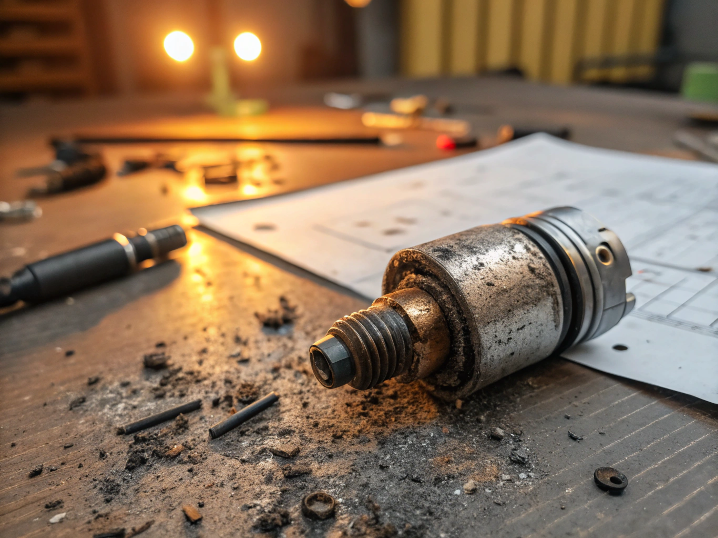
Most fuel solenoid failures in transport refrigeration units aren't due to factory defects—they usually come from small mistakes during installation.
The top 5 installation mistakes are overtightening, wrong wiring, contamination, misalignment, and skipping pre-tests.
I’ve seen all five happen in real-world reefer unit repairs. Sometimes even experienced techs miss a small step, and the solenoid fails too soon.
[Table of contents]
Why does overtightening damage the fuel solenoid in reefers?
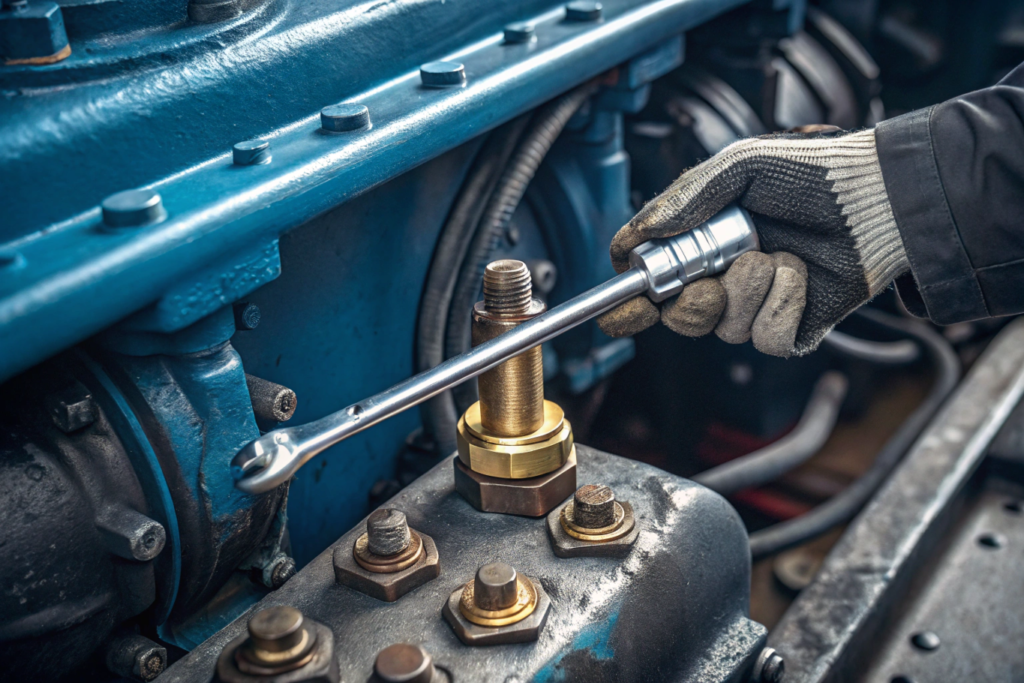
Even a solid solenoid can’t handle too much torque.
Overtightening crushes internal seals or cracks the housing, leading to leaks or total failure within weeks.
The right torque saves money
Many solenoids used in Thermo King or Carrier units come with torque specs—ignoring them is risky. I once saw a customer use an air wrench to crank it tight. The solenoid leaked before the trailer even left the yard.
| Thread Size | Recommended Torque (Nm) |
|---|---|
| M12 | 20–25 |
| M14 | 30–35 |
| 1/4" NPT | 12–15 |
What happens if the wiring is reversed?
Wiring might seem basic, but it’s one of the most common mistakes.
Reverse polarity burns out the coil or causes the solenoid to stay permanently closed or open.
Check power before plug-in
I once watched a tech reverse the polarity on two brand-new solenoids—both burnt out instantly. Always test plug direction with a multimeter.
Why is contamination a silent killer?
Dust, debris, or fuel sludge are silent but deadly.
Contaminants clog the valve, increase wear, and prevent the solenoid from sealing or opening properly.
Cleanliness = longer life
One of my long-term reefer clients always flushes the port with cleaner before every install. They've never lost a solenoid to clogging.
How does misalignment affect function?
Install angle and fitting direction matter more than most people think.
If the solenoid is not aligned with fuel flow direction, internal stress increases and can warp moving parts.
Fit it right the first time
A crooked install can lead to leaks and jamming. I always rotate the fitting gently by hand to test movement before tightening.
Why is skipping pre-test a critical error?
Jumping straight to full system operation is risky.
Without a basic power-on and manual trigger test, it’s impossible to confirm correct operation before use.
Simple test avoids complex problems
My routine: power up, listen for a “click,” then hold power for 5 seconds to check for overheating. That 30-second test has saved me many times.
Conclusion
Small installation mistakes kill good solenoids. Don’t let that happen to your reefer fleet.