

Fuel solenoid prices keep rising, and OEM parts take forever to arrive. It’s time to rethink how we buy—without giving up on reliability.
You can cut fuel solenoid costs by working with tested aftermarket suppliers, placing smarter orders, and reducing OEM dependency—while keeping quality under control.
I’ve helped many buyers walk this line—getting reliable solenoids at a better price. Here’s what we’ve learned along the way.
Is it safe to stop using OEM fuel solenoids?
Many buyers stick with OEM because they’re afraid of downtime. But that fear is often based on old experiences.
Yes—if you choose a trusted aftermarket supplier, you can cut costs by 30–50% without sacrificing long-term reliability.
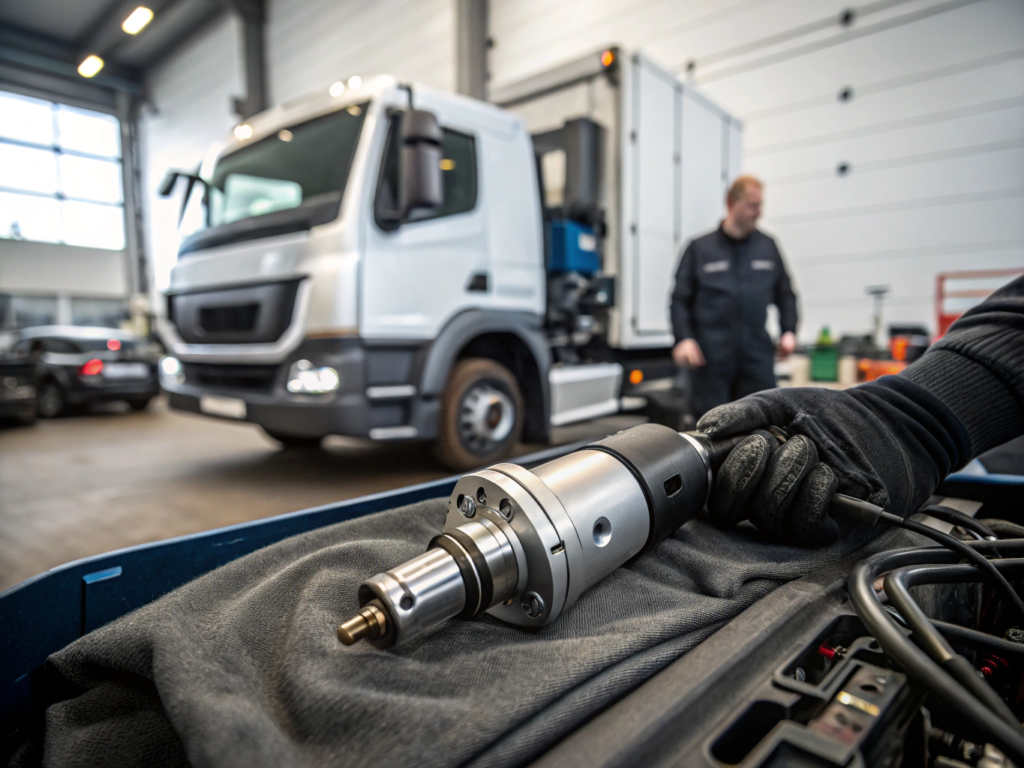
OEM solenoids are often over-engineered—and overpriced. Aftermarket options have come a long way. The key is not to chase the lowest bidder. Instead, look for:
- Verified material specs (brass, Viton seals, copper coil)
- Real-world testing data (resistance, heat tolerance, etc.)
- Consistent supply chain with service support
Here’s what the pricing and value typically look like:
| Type | Price Range | Warranty | Typical Use Life |
|---|---|---|---|
| OEM | $120–$160 | 6–12 months | 1.5–2 years |
| High-Quality Aftermarket | $60–$85 | 12 months | 1.5–2 years |
| Low-End Aftermarket | $25–$45 | None | < 1 year |
So yes—it’s safe, if you choose smart.
How do I know if an aftermarket solenoid is good quality?
You don’t need to be an engineer to figure this out.
Check for three things: customer feedback, real test results, and how the first small batch performs in actual jobs.
When I evaluate a new supplier, I always ask:
- Can they show durability testing results?
- Do they have other customers in my industry?
- Are their samples consistent in quality?
Can I reduce cost by changing how I place orders?
Most buyers think saving means buying more. Not always.
You can lower unit costs by planning ahead, mixing models, and negotiating volume brackets—even on small orders.
Here’s what works well for my customers:
✅ Smart order structures:
| Order Method | How it Lowers Cost |
|---|---|
| Tiered Pricing | Bigger discounts when you cross volumes |
| Forecast Planning | Lock in pricing even before you buy |
| Mixed-SKU Bundles | Combine parts to reach better price tiers |
How can I avoid returns or part mismatch issues?
Returns kill your profit—and your customer’s trust.
Always confirm dimensions, OEM part numbers, and get real photos before placing any volume order.
I’ve seen dealers lose money not because of price—but because the solenoid didn't fit the valve body. Avoid that by asking for:
- Compatibility tables with OEM part numbers
- Technical drawings with exact mounting info
- Real product photos and installed references
Start with a 5–10 pcs sample lot and get install feedback from your techs. If it works, you scale. If not—you stop early.
Conclusion
Cutting costs doesn’t mean cutting corners—just cut smarter, test earlier, and grow with confidence.