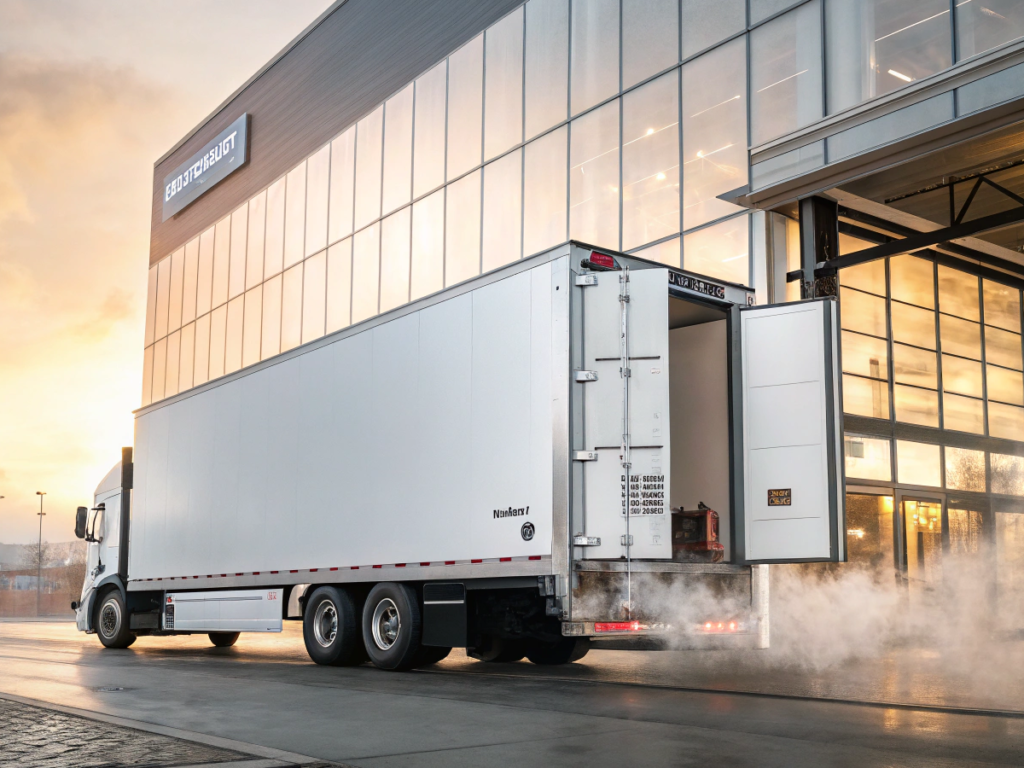

Cheap solenoid valves often fail too early. Replacing them often wastes money and time. Good material choice can avoid this problem.
Yes, the material of a fuel solenoid valve directly affects its durability and lifespan, especially under harsh transport refrigeration conditions.
I once had to replace three valves in one season. That experience made me rethink how material impacts real costs.
[Table of contents]
Why does material matter in fuel solenoid valves?
Material decides how the valve resists wear, corrosion, and temperature. Wrong material weakens performance and shortens life.
Fuel solenoid valves in transport refrigeration last longer when built with corrosion-resistant alloys and durable seals.
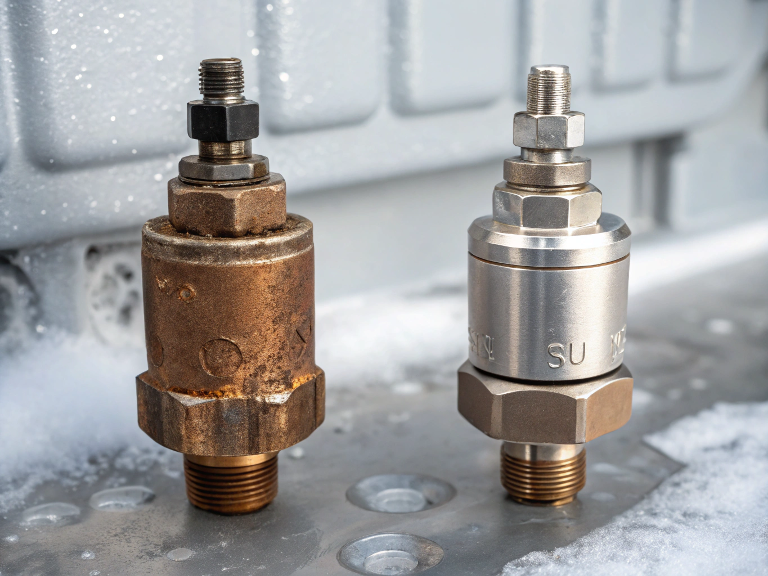
Metals commonly used
| Material | Strength | Weakness | Typical Lifespan |
|---|---|---|---|
| Brass | Easy to machine, low cost | Weak against fuel corrosion | Short |
| Stainless Steel | Strong, corrosion-resistant | Higher cost | Long |
| Aluminum | Light, low cost | Easy to crack under stress | Medium |
Seal materials
- NBR (Nitrile): Cheap, but poor at high temperatures.
- Viton: Strong against fuel and heat, lasts longer.
- EPDM: Better for coolant, not fuel.
When I tested stainless steel with Viton seals, downtime dropped by half. That told me material is not a minor detail.
How does environment affect valve material choice?
Heat, vibration, and fuel impurities attack valve materials in transport refrigeration systems.
Valves last longer when material is chosen for the specific environment: stainless steel for fuel exposure, Viton seals for heat, strong housing for vibration.
- In humid climates, brass fails faster due to corrosion.
- In fleets with mixed fuel quality, strong alloys protect against chemical attack.
- Long-haul trucks need seals that handle both high temperature and continuous vibration.
I remember a Canadian fleet that kept losing valves every winter. Switching to stainless steel versions solved the freezing crack problem.
Is higher cost material always worth it?
Price-sensitive buyers often choose cheaper parts. But frequent failures cost more in the long run.
Paying more upfront for stainless steel and Viton usually lowers total cost of ownership because it reduces breakdowns and labor.
A distributor I worked with tried both:
- Cheap brass valves → failed within months, higher service calls.
- Stainless steel with Viton seals → lasted over two years, fewer complaints.
The higher price was offset by reduced downtime and better customer trust. This is why I recommend fleets test material quality before bulk purchasing.
Conclusion
Better material means longer solenoid valve life.